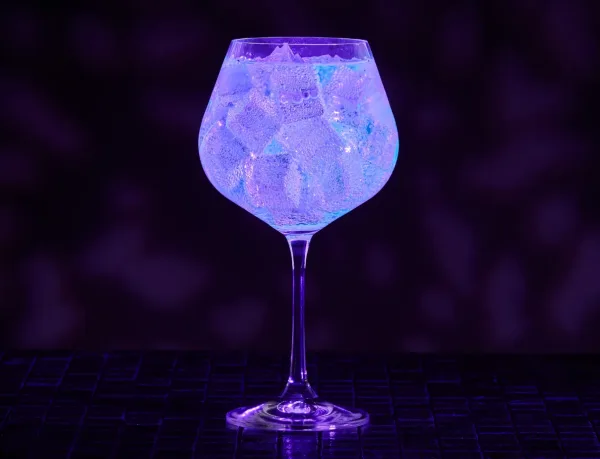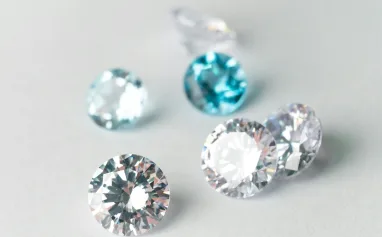
Does Moissanite Glow Under UV? Understanding Fluorescence and What It Means
If you’re researching moissanite, you may have come across a curious question:
Does moissanite glow under UV light? To understand the gemstone itself, see What Is Moissanite? Your Complete Guide to This Brilliant Gemstone.
The short answer is yes — moissanite can glow under ultraviolet (UV) light. However, the type and intensity of that glow differ from diamonds, and it usually does not affect everyday appearance.
This guide explains why moissanite reacts to UV light, how it compares to diamonds, and whether fluorescence should influence your buying decision.
What Is UV Fluorescence?
Fluorescence occurs when a gemstone absorbs ultraviolet light and emits visible light in response.
UV light is present in:
- Sunlight
- Blacklights
- Some indoor lighting environments
When exposed to UV light, certain gemstones may glow — typically in shades of blue, green, or yellow. Fluorescence is not visible in normal indoor lighting unless UV is present.
Does Moissanite Glow Under UV Light?
Yes. Most moissanite exhibits fluorescence under UV light. The glow is typically:
- Greenish
- Yellowish-green
- Occasionally faint white
The intensity can vary depending on manufacturer, production batch, and stone quality. This reaction is due to moissanite’s chemical composition (silicon carbide) — see What Is a Moissanite Stone Made Of? Understanding This Sparkling Gem.
Is This Glow Visible in Everyday Life?
In most everyday situations, no. You may only notice fluorescence:
- Under blacklights
- In strong direct sunlight
- In specific UV-heavy environments
Under regular indoor lighting, moissanite looks clear and brilliant — not glowing. Even outdoors, fluorescence is usually subtle and does not create a “neon” effect.
How Does This Compare to Diamonds?
Diamonds can also fluoresce under UV light. Around 25–35% of natural diamonds exhibit some fluorescence, most often blue. Unlike moissanite’s greenish reaction, diamond fluorescence is usually blue. In both cases, fluorescence is a natural optical property — not a flaw.
Does Fluorescence Affect Appearance?
In most cases, fluorescence does not negatively affect appearance.
- Diamonds: Strong fluorescence can occasionally make a stone appear slightly hazy.
- Moissanite: The UV glow disappears once UV light is removed, does not cause cloudiness, and does not affect durability — see Does Moissanite Get Cloudy Over Time? What You Need to Know.
The glow is temporary and light-dependent.
Why Does Moissanite Fluoresce?
Moissanite is made of silicon carbide. Its crystal structure interacts with ultraviolet radiation differently than diamond (carbon). Because moissanite is lab-created, trace elements or structural variations can influence fluorescence strength. Modern production methods aim for consistent optical performance — see Is Moissanite Ethical? A Complete Guide to Sustainability, Sourcing, and Responsibility.
Can UV Glow Reveal That It’s Moissanite?
In certain conditions, yes. Under a blacklight, the greenish glow may suggest the stone is moissanite rather than diamond. However:
- Not everyone carries a UV light
- Many diamonds fluoresce as well
- Fluorescence alone does not confirm identity
Professional identification requires conductivity testing or gemological tools — see Can Jewelers Tell Moissanite from Diamond? Here’s What You Should Know.
Should You Be Concerned About UV Glow?
For most buyers, the answer is no. Fluorescence:
- Is normal
- Is temporary
- Does not damage the stone
- Does not reduce durability
Unless you frequently spend time under blacklights (e.g., certain nightlife environments), it is unlikely to be noticeable. Even then, it typically appears subtle rather than dramatic.
Does Higher-Quality Moissanite Glow Less?
Not necessarily. Fluorescence intensity does not always correlate with quality grade. Higher-end manufacturers may produce stones with more controlled fluorescence and consistent reaction patterns. For guidance on grades, see Are There Different Grades of Moissanite? A Complete Guide to Quality and Classification.
Does UV Light Harm Moissanite?
No. Moissanite is highly durable (Mohs 9.25) — see Moissanite Hardness Explained: Mohs Scale & How Durable Is This Gemstone — and resistant to:
- Scratching
- Heat damage
- Light exposure
UV light does not weaken or degrade the stone.
Is UV Glow a Sign of Fake Jewelry?
No. Many genuine gemstones fluoresce under UV light, including diamonds, rubies, sapphires, and moissanite. Fluorescence is not an indicator of authenticity or value on its own.
When Might You Notice It Most?
You’re most likely to notice fluorescence:
- Under blacklights at events
- In strong natural sunlight
- Under UV inspection lamps in jewelry stores
Even then, the glow is temporary and disappears immediately once the UV source is removed.
Does Fluorescence Change Sparkle?
No. Moissanite’s brilliance and fire come from its refractive index, not its UV reaction. In normal lighting, sparkle remains unaffected. For more on sparkle and shine, see Why Is Moissanite So Sparkly? Understanding Its Brilliant Shine and Does Moissanite Lose Sparkle? Complete Guide to Maintaining Brilliance.
Final Thoughts
So, does moissanite glow under UV?
Yes — most moissanite stones fluoresce under ultraviolet light, often showing a greenish glow. However, this reaction is temporary and usually invisible in everyday conditions. Fluorescence:
- Is a natural optical property
- Does not indicate poor quality
- Does not affect durability
- Does not diminish beauty
Unless you specifically test your stone under UV light, you’re unlikely to notice it at all. For most buyers, moissanite’s brilliance, durability, and ethical sourcing matter far more than how it behaves under a blacklight — see Is Moissanite Conflict-Free? and Is Moissanite Durable for Everyday Wear? A Complete Guide.
For those who love moissanite’s unique light performance and want a refined, everyday ring design that captures this brilliance beautifully, explore our Promise Series “First Love” ring collection.