Best Alternative to Diamond Engagement Ring
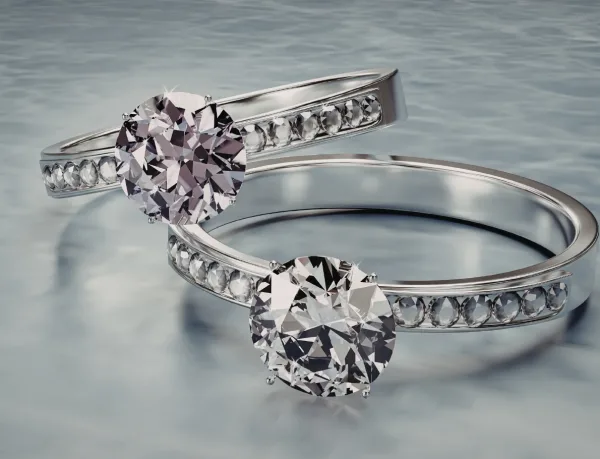
Diamonds have long been the traditional choice for engagement rings, symbolizing love, commitment, and luxury. However, rising costs, ethical concerns, and changing tastes have led many couples to explore alternatives to diamond engagement rings.
If you’re searching for a beautiful, durable, and meaningful alternative, this guide will help you understand the best options available, including why moissanite is a standout choice, how it compares to other gemstones, and how to make the right decision for your engagement ring. For a detailed step-by-step selection process, see our how to choose a moissanite ring: complete buyer’s guide.
Why Consider an Alternative to Diamonds?
While diamonds are timeless, there are several reasons couples may seek alternatives:
Cost
Diamonds can be expensive, especially for larger stones or higher color and clarity grades. For budget-friendly options, check our best engagement ring under $1000 guide.Ethics and Sustainability
Mining diamonds may raise ethical concerns related to labor conditions and conflict diamonds. Environmental impact from mining can also be significant.Unique Style
Alternative gemstones allow for more individuality in color, cut, and design.Modern Preferences
Many couples today prefer stones that are ethically sourced, lab-created, or simply offer more sparkle and size for the budget.
Top Alternatives to Diamonds
1. Moissanite
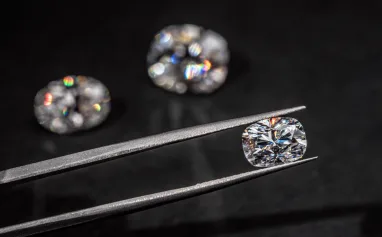
Moissanite is arguably the most popular alternative to diamonds today. It’s a lab-created gemstone made from silicon carbide (SiC) with exceptional brilliance and fire.
Benefits:
Brilliance: Higher refractive index than diamond, producing a stunning sparkle — see best cut for moissanite rings.
Durability: 9.25 on Mohs hardness scale, suitable for everyday wear
Affordability: Significantly less expensive than diamonds of similar size — compare 1 carat vs 2 carat moissanite
Ethical: Lab-created, conflict-free, environmentally friendly
Variety: Available in multiple cuts, sizes, and styles — explore popular moissanite ring styles.
Considerations:
Moissanite exhibits more rainbow fire than diamond, which some may find too flashy
Resale value is lower than diamonds, so it’s primarily a personal purchase rather than an investment
For a complete buying checklist, see moissanite buying checklist.
2. White Sapphire
White sapphire is a natural gemstone made of corundum.
Benefits:
Affordable compared to diamonds
Durable (Mohs hardness 9)
Subtle sparkle with a softer look than moissanite
Considerations:
Less brilliance and fire than diamonds or moissanite
Color may appear slightly grayish compared to high-quality diamonds
Rarely as sparkling in large stones
3. Lab-Grown Diamonds
Lab-grown diamonds are chemically and physically identical to mined diamonds but are created in controlled laboratory conditions.
Benefits:
Real diamond with the same hardness and durability
More affordable than mined diamonds
Conflict-free and environmentally responsible
Available in a range of colors and sizes
Considerations:
Still more expensive than moissanite
Resale value may be lower than natural diamonds, though often higher than moissanite
4. Morganite
Morganite is a peach-pink variety of beryl, often used as a center stone for unique engagement rings.
Benefits:
Romantic, warm pink hue
Affordable compared to diamonds
Works beautifully with rose gold settings
Considerations:
Softer than diamonds (Mohs 7.5–8), less suitable for everyday wear without protection
Can scratch or chip more easily
5. Other Gemstones
Other gemstones such as spinel, topaz, or aquamarine can also serve as alternatives, offering:
Vibrant colors
Unique, one-of-a-kind designs
Affordable options
However, most have lower hardness than moissanite or diamonds, so extra care is necessary.
Why Moissanite Is Often the Best Choice
Among all alternatives, moissanite stands out for engagement rings due to:
Sparkle: Its brilliance rivals diamonds, often appearing even more dazzling in sunlight — see best alternative to diamond engagement ring.
Durability: Suitable for daily wear without fear of scratches
Value: You can choose a larger stone or premium setting for less than the price of a comparable diamond — check moissanite engagement rings for women
Ethical Assurance: Lab-created and conflict-free, providing peace of mind
Premium lines like Forever One moissanite offer colorless, diamond-like appearance with minimal undertones, making them ideal for those who want a classic look without diamond pricing.
Tips for Choosing an Alternative Engagement Ring
Know Your Priorities
Is sparkle more important than resale value?
Do you prioritize ethics and sustainability?
Consider the Setting
Protect softer gemstones with bezel or halo settings
Choose metals that complement the stone’s color
Understand Durability Needs
For everyday wear, select stones with Mohs hardness 8+
Moissanite and lab diamonds are the most durable options — see is moissanite good for engagement rings
Budget Wisely
Determine how much you’re willing to spend and consider trade-offs between stone size, quality, and setting design
Compare Styles and Cuts
Cut influences sparkle more than carat weight
Round, oval, and cushion cuts maximize brilliance in moissanite and diamonds alike — explore best cut for moissanite rings
Final Thoughts
While diamonds remain the traditional symbol of engagement, alternative gemstones offer beauty, value, and ethical peace of mind.
Moissanite is arguably the top alternative for engagement rings due to its combination of sparkle, durability, affordability, and ethical sourcing. Lab-grown diamonds are also excellent for those who want a real diamond without the mined price or potential ethical concerns.
Other alternatives like white sapphire, morganite, or colored gemstones provide unique, personalized choices but may require extra care.
Ultimately, the best alternative is the one that aligns with your budget, lifestyle, and personal values, ensuring your engagement ring shines as brightly as your love. For extra inspiration, see affordable engagement ring ideas.
Add comment