Moissanite Ring vs Diamond Ring Cost
When shopping for an engagement ring or fine jewelry, one of the first questions most buyers ask is: “What will it cost?” In the world of gemstones, two popular options often come up: moissanite and diamonds. Both offer brilliance, durability, and beauty, but their price points can differ dramatically.
This guide explores moissanite ring vs diamond ring cost, why the prices vary, and how to make the most informed choice for your budget and style.
Understanding Moissanite and Diamond
Before comparing costs, it helps to understand the basic differences between moissanite and diamonds:
Moissanite
Lab-created gemstone made of silicon carbide (SiC)
Extremely durable (Mohs hardness 9.25)
Brilliant sparkle with intense rainbow fire
Affordable compared to diamonds
Ethically and environmentally responsible
Learn more about moissanite vs diamond visual comparison
Diamond
Naturally occurring carbon crystal (or lab-grown diamond)
Hardest gemstone (Mohs 10)
Subtle sparkle, traditional prestige
Expensive due to rarity, demand, and market perception
Can be mined (sometimes raising ethical concerns) or lab-created
For comparison with lab diamonds, see moissanite vs lab diamond investment value
Factors Affecting Cost
The price of both moissanite and diamonds depends on several key factors:
1. Carat Size
Larger stones increase in price exponentially
A 1-carat moissanite is far more affordable than a 1-carat diamond of similar color and clarity
2. Cut, Color, and Clarity
Diamonds follow the 4 Cs (Cut, Color, Clarity, Carat) strictly
Moissanite has its own grading system but is less expensive to produce, even in high color and clarity
For sparkle comparisons, see moissanite vs diamond brilliance
3. Brand and Certification
Branded or certified stones (e.g., Charles & Colvard Forever One moissanite) cost more
Diamond certification (GIA, AGS) also adds to cost
Learn about certification impact in moissanite vs diamond price breakdown
4. Setting and Metal
Precious metals like platinum, 18k gold, or custom designs increase the overall price
Both moissanite and diamond rings can be set in similar metals
Typical Price Comparison
Here’s a general overview of cost differences for center stones only (excluding the setting):
| Stone Type | 0.5 Carat | 1 Carat | 2 Carat |
|---|---|---|---|
| Moissanite (high-quality) | $300–$600 | $600–$1,200 | $1,500–$3,000 |
| Diamond (natural, G-H color, VS clarity) | $1,500–$3,000 | $4,000–$8,000 | $12,000–$25,000 |
| Lab Diamond (G-H color, VS clarity) | $1,000–$2,500 | $3,000–$6,000 | $10,000–$18,000 |
Key takeaway: Moissanite typically costs 70–80% less than natural diamonds, even for high-quality stones. This allows buyers to choose larger or more elaborate settings while staying within budget. For deeper investment comparison, see moissanite vs lab diamond which is better.
Why Is Moissanite Cheaper?
Several factors contribute to moissanite’s affordability:
Lab-Created Production
Moissanite is grown in controlled labs, reducing rarity and supply costs.
Lower Market Demand
Diamonds have a centuries-old marketing and resale culture, driving higher prices.
For resale considerations, see moissanite vs diamond resale value
No Mining Costs
Mining diamonds involves high labor, land, and environmental costs.
Predictable Manufacturing
Moissanite can be produced consistently in large quantities, keeping prices stable.
For alternatives, check moissanite vs cubic zirconia and moissanite vs white sapphire
Cost of the Full Ring
When comparing full engagement rings, setting prices also matter:
Simple moissanite solitaire in 14k gold: ~$800–$1,500
Diamond solitaire in similar size and metal: $3,000–$8,000
Halo or three-stone designs magnify the price difference, as diamonds in accent stones increase total cost significantly.
This means you can often afford a larger moissanite center stone or more intricate setting for the same price as a modest diamond ring. For guidance on choosing rings, see lab diamond or moissanite for proposal.
Is Moissanite a “Budget Choice”?
Not at all. While moissanite is more affordable, it offers:
Durability for everyday wear
Colorless sparkle (especially premium Forever One moissanite)
Ethical and environmentally friendly sourcing
Low maintenance with long-term brilliance
Many couples choose moissanite intentionally for these benefits rather than simply as a budget alternative. Learn why moissanite is preferred over diamond.
When Diamond Rings May Make Sense
Diamonds may be preferable if you:
Value tradition and symbolism associated with mined diamonds
Want potential resale or inheritance value
Are investing in a stone as a financial asset
Prefer subtle sparkle over moissanite’s more fiery brilliance
Making the Right Choice
When choosing between moissanite and diamonds, consider:
Budget: How much you want to spend without sacrificing desired size or design
Style Preference: Do you love extra sparkle or a classic look?
Ethical Values: Are lab-grown or sustainable stones important to you?
Long-Term Plans: Are you considering resale value or simply enjoying the ring for life?
Many modern couples are discovering that moissanite provides both beauty and value, allowing them to get a larger, dazzling stone without breaking the bank. For visual comparison, see does moissanite look fake compared to diamond.
Final Thoughts
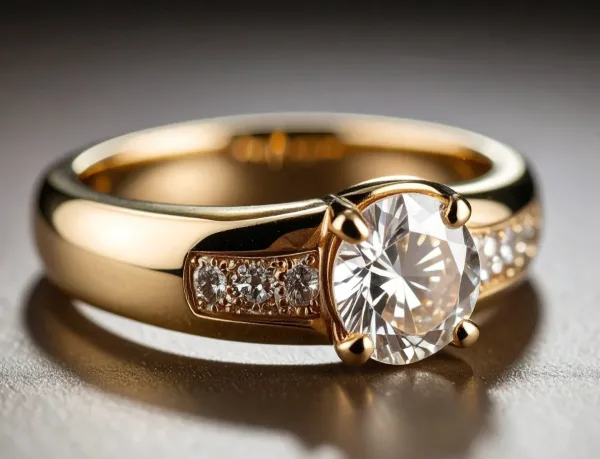
In the moissanite ring vs diamond ring cost comparison, moissanite consistently offers substantial savings without sacrificing sparkle, durability, or ethical sourcing.
For engagement rings, moissanite is a brilliant, budget-friendly, and responsible alternative, especially for couples prioritizing size, fire, and affordability. Diamonds remain a traditional choice with resale value and prestige, but moissanite allows buyers to create stunning rings at a fraction of the cost.
Ultimately, the “right” choice depends on your personal style, budget, and values. For further reading on moissanite vs diamond engagement rings, explore options and comparisons.
Add comment