Caring for Silver vs Plated Jewelry: Complete Guide
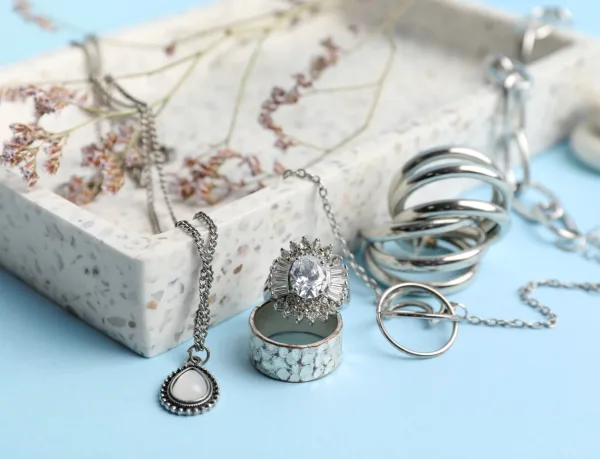
Jewelry comes in many forms, but two popular types are sterling silver and plated jewelry. While they may look similar, their durability, care requirements, and lifespan differ significantly. If you’re wondering how to keep your jewelry sparkling and lasting longer, understanding the differences between sterling silver vs plated jewelry is essential. Learn more about jewelry materials and quality in What Is Moissanite? Your Complete Guide to This Brilliant Gemstone.
This guide covers material differences, daily care, cleaning techniques, and tips to maintain your jewelry’s beauty over time.
1. Understanding Sterling Silver and Plated Jewelry
1.1 Sterling Silver
Composition: 92.5% pure silver mixed with 7.5% other metals, typically copper, for strength.
Durability: Strong, long-lasting, can withstand daily wear with proper care. For more on durable gemstones, see Moissanite Hardness Explained: Mohs Scale & How Durable Is This Gemstone.
Appearance: Naturally bright, with a soft white metallic shine that develops a subtle patina over time.
Hypoallergenic: Often safe for sensitive skin, depending on the alloy.
1.2 Plated Jewelry
Composition: Base metal (such as copper, brass, or stainless steel) coated with a thin layer of silver, gold, or rhodium.
Durability: Less durable; plating can wear off over time, exposing the base metal.
Appearance: Initially shiny, but may fade or discolor with frequent wear.
Cost: More affordable but generally shorter lifespan than solid silver.
Observation: While plated jewelry offers a similar look at lower cost, sterling silver is more durable and maintains value longer.
2. Longevity and Wear
2.1 Sterling Silver
Can last decades or even generations with proper care.
Develops a natural patina that some consider attractive, adding character.
Resistant to minor scratches; polishing restores original shine.
2.2 Plated Jewelry
Lifespan depends on thickness of plating and wear frequency.
Daily wear can cause the plating to wear off in 6 months to 2 years.
Exposure to water, chemicals, and friction accelerates fading. For more on how silver reacts to moisture, see Does Sterling Silver Tarnish? Everything You Need to Know.
Key Insight: Sterling silver is better for long-term investment and heirloom-quality jewelry, while plated jewelry is ideal for fashion pieces or occasional wear.
3. Daily Care Tips
3.1 Sterling Silver
Remove jewelry before swimming, bathing, or exercising to avoid contact with chlorine, sweat, and harsh soaps.
Store in anti-tarnish bags or airtight containers.
Avoid stacking with harder metals or jewelry that can scratch silver. Learn more about proper silver care in How to Care for Sterling Silver Jewelry: Tips for Long-Lasting Shine.
3.2 Plated Jewelry
Avoid water, perfumes, lotions, and chemicals, which can strip the plating.
Remove jewelry before manual labor or heavy activity.
Store separately in soft cloth pouches to minimize friction.
Observation: Plated jewelry requires more careful handling to maintain appearance.
4. Cleaning Techniques
4.1 Sterling Silver Cleaning
Use mild soap and warm water, rinse, and dry with a soft microfiber cloth.
For tarnished silver, use polishing cloths or silver-safe solutions.
Avoid abrasive cleaners that can scratch the surface.
4.2 Plated Jewelry Cleaning
Clean with soft, damp cloths only; avoid soaking.
Never use polishing compounds or abrasive cloths, as they remove the plating.
Gentle wiping after each wear prolongs the shine. Learn more about cleaning tips in How to Clean Moissanite Jewelry: A Complete Guide.
Pro Tip: Always test any cleaning method on a small area first for plated pieces.
5. Professional Maintenance
Sterling silver: Occasional professional polishing restores brilliance and removes deep tarnish.
Plated jewelry: Re-plating may be required after the coating wears off; consider frequency and cost before investing.
Jewelry inspections ensure prongs, clasps, and settings remain secure.
6. Choosing Between Sterling Silver and Plated Jewelry
| Feature | Sterling Silver | Plated Jewelry |
|---|---|---|
| Durability | High (decades) | Medium to low (months–years) |
| Appearance Over Time | Develops patina, polishable | Plating may fade, base metal shows |
| Cost | Moderate | Affordable |
| Care Requirement | Moderate | High (avoid water, chemicals) |
| Ideal Use | Everyday wear, heirlooms | Fashion, occasional wear |
Takeaway: Sterling silver is better for long-lasting, everyday jewelry, while plated pieces are suitable for budget-conscious, trend-driven purchases.
7. Common Myths About Sterling Silver and Plated Jewelry
“Silver tarnishes immediately” – False. Tarnish occurs slowly and can be polished away.
“Plated jewelry looks fake” – Not necessarily; high-quality plating can mimic silver or gold beautifully.
“All silver jewelry is hypoallergenic” – Most sterling silver is safe, but some alloys may irritate sensitive skin.
8. Long-Term Care Strategies
Routine Cleaning: Keep silver bright and plating intact.
Safe Storage: Avoid scratches, moisture, and exposure to chemicals.
Professional Care: Polishing, plating touch-ups, and jewelry inspections.
Mindful Wear: Rotate pieces, avoid prolonged contact with water or sweat.
Observation: With proper care, sterling silver can outlast plated jewelry by decades, while plated jewelry shines best with occasional, gentle wear.
9. Key Takeaways
Sterling silver: Durable, long-lasting, and easy to maintain with routine care.
Plated jewelry: Affordable and stylish but requires more careful handling and eventual re-plating.
Cleaning and storage: Critical for both types to preserve appearance.
Professional maintenance: Extends jewelry life and maintains beauty.
Conclusion: Understanding the differences between sterling silver vs plated jewelry allows you to choose pieces that suit your lifestyle, budget, and long-term goals. Proper care ensures your jewelry remains sparkling, secure, and enjoyable for years to come. For more guidance, see the full guide Caring for Silver vs Plated Jewelry: Complete Guide.
Add comment