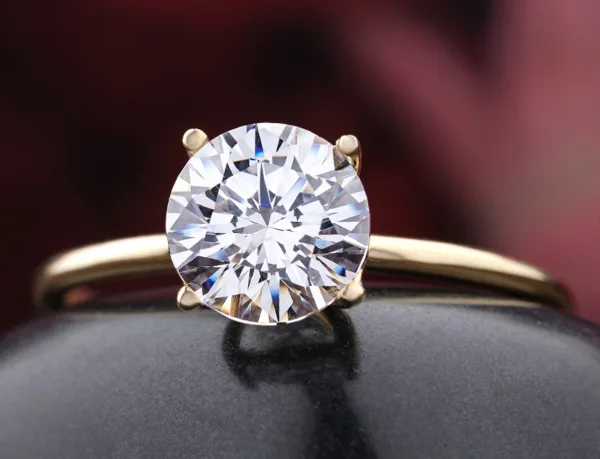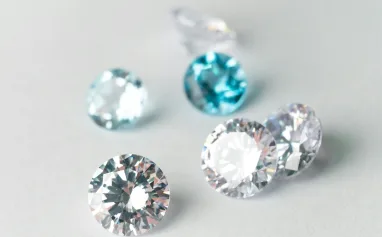
Is Moissanite Better Than a Diamond A Clear, Honest Comparison
For anyone choosing a gemstone—whether for an engagement ring, anniversary gift, or everyday jewelry—a common question arises: “Is moissanite better than a diamond?” While both stones are beautiful and durable, they serve different priorities. This article breaks down the key differences so you can decide which gemstone is better for you. For a detailed side-by-side guide, see Moissanite vs Diamond Side by Side.
Understanding the Basics
Moissanite is a lab-created gemstone made of silicon carbide (SiC), known for dazzling sparkle, durability, and affordability.
Diamond is a natural gemstone composed of pure carbon. Diamonds may also be lab-grown, but classic diamonds are mined over billions of years and carry deep cultural significance.
So, whether moissanite is “better” depends on what you prioritize: brilliance, price, tradition, or long-term value. For a broader comparison, see Moissanite vs Diamond Complete Comparison.
1. Sparkle: Does Brilliance Equal Better?
Moissanite:
Higher refractive index (2.65–2.69 vs 2.42 for diamonds)
Greater dispersion (0.104 vs 0.044)
Produces intense light return and vivid rainbow fire
Extremely sparkly under bright light
Diamond:
Classic brilliance
Elegant but subtler fire
Refined look in everyday lighting
Verdict: If maximum sparkle matters, moissanite often wins. For classic brilliance, diamonds remain timeless. See Which Sparkles More: Diamond or Moissanite?.
2. Durability: Daily Wear and Longevity
| Feature | Diamond | Moissanite |
|---|---|---|
| Mohs Hardness | 10 | 9.25 |
| Scratch Resistance | Highest | Very high |
| Daily Wear | Excellent | Excellent |
| Chips/Fracture Risk | Low | Low |
Both gems are suitable for everyday wear. Diamonds are slightly harder, but moissanite is extremely durable in real-world use. For more on longevity, see Moissanite vs Lab-Created Diamond Durability.
3. Price: Affordability Matters
Moissanite:
Significantly more affordable
70–90% cheaper than similarly sized diamonds
Allows larger stones within a tight budget
Diamonds:
Prices rise steeply with the 4Cs (cut, color, clarity, carat)
Large stones can cost exponentially more
Verdict: Moissanite wins on cost-effectiveness. For price breakdowns, see Moissanite vs Diamond Price Breakdown.
4. Ethical and Environmental Considerations
Moissanite: Always lab-created, no mining needed, ethical by design
Diamonds: Natural diamonds involve mining; lab diamonds avoid mining but are still priced as diamonds
Verdict: If ethical sourcing and environmental impact matter most, moissanite is often the better choice. See Why Choose Moissanite Over Diamond.
5. Resale Value and Tradition
Diamonds:
Historically retain resale value
Deep cultural and symbolic significance
Often considered an “investment”
Moissanite:
Limited resale market
Not traditionally perceived as high-value
Verdict: Diamonds typically win if prestige, tradition, and resale value are priorities. See Moissanite vs Diamond Resale Value.
6. Visual Appeal: What Do You Prefer?
Moissanite: Bold, lively sparkle and fire
Diamond: Classic, refined brilliance
Verdict: Subjective—choose based on whether you prefer dramatic sparkle or subtle elegance.
Final Verdict: Is Moissanite Better Than a Diamond?
Choose Moissanite if you want:
✔ Exceptional sparkle and fire
✔ Larger visual size within budget
✔ Ethical sourcing and lower cost
✔ Durable everyday jewelry
Choose Diamond if you want:
✔ Traditional prestige and symbolic value
✔ Classic white brilliance
✔ Potential resale recognition
So, the answer isn’t a one-size-fits-all “yes” or “no”—it’s about what “better” means to you. For a side-by-side visual comparison, see Does Moissanite Look Fake Compared to Diamond?.
Add comment