Moissanite vs Diamond Price Breakdown: What Are You Really Paying For?
When comparing gemstones, price is often the deciding factor. While moissanite and diamond may look similar at first glance, their costs are shaped by very different factors. This moissanite vs diamond price breakdown explains how pricing works, what drives the cost gap, and what value you’re actually getting for your money. For a broader comparison, see Moissanite vs Diamond: Complete Comparison.
1. Average Price Comparison by Carat
Here’s a realistic price range for well-cut, high-quality stones:
| Carat Size | Moissanite | Natural Diamond |
|---|---|---|
| 0.5 ct | $150–$300 | $1,000–$2,500 |
| 1.0 ct | $400–$600 | $4,000–$7,000 |
| 1.5 ct | $600–$900 | $8,000–$12,000 |
| 2.0 ct | $800–$1,200 | $15,000–$25,000 |
| 3.0 ct | $1,200–$2,000 | $30,000+ |
Key takeaway: Moissanite typically costs 80–90% less than a natural diamond of the same visual size. For why moissanite offers better long-term value, see Cost of Moissanite vs Diamond: Which Gives You Better Value?.
2. Why Diamonds Cost So Much More
Diamond pricing is driven by multiple layers beyond the stone itself.
a. Rarity & Mining
Natural diamonds are formed over billions of years and extracted through mining, which involves:
- High labor and equipment costs
- Environmental impact
- Limited supply
b. The 4Cs Pricing System
Diamonds are priced based on:
- Carat
- Cut
- Color
- Clarity
Small improvements in any category can cause exponential price jumps—especially above 1.0 carat.
c. Branding & Market Control
Diamond prices are influenced by:
- Industry-controlled supply
- Branding and legacy perception
- Resale and “investment” narratives
Much of what you pay for a diamond is market positioning, not visual difference. For durability and comparison with moissanite, see Moissanite vs Lab Created Diamond Durability.
3. Why Moissanite Is More Affordable
Moissanite pricing is fundamentally different.
a. Lab Creation
Moissanite is lab-created from silicon carbide, allowing:
- Consistent quality
- Predictable supply
- No mining overhead
b. Simpler Grading
Moissanite is typically sold as:
- Colorless or near-colorless
- Eye-clean clarity
No complex global pricing matrix like the diamond 4Cs—prices stay transparent.
c. Visual Efficiency
Moissanite has:
- Higher refractive index
- Stronger fire
This means you get maximum visual impact without paying rarity premiums. For sparkle comparisons, see Moissanite vs Diamond Brilliance: Which Sparkles More?.
4. Cost per Year of Wear
Looking at cost alone can be misleading—value over time matters more.
| Stone | Avg Price (1 ct) | Lifespan | Cost per Year (20 yrs) |
|---|---|---|---|
| Diamond | $6,000 | Lifetime | ~$300/year |
| Moissanite | $500 | Lifetime | ~$25/year |
Moissanite delivers dramatically better cost-to-longevity value. For a breakdown including lab diamonds, see Lab Grown Diamond vs Moissanite Cost.
It’s also helpful to understand how moissanite compares with other affordable gemstone alternatives. For example, cubic zirconia is another popular diamond substitute, but it differs significantly in durability and long-term wear. To explore how these two stones perform over time, see CZ vs Moissanite: Which Lasts Longer?, which breaks down their lifespan and everyday performance.
5. What About Lab Diamonds?
| Stone | 1 ct Price Range |
|---|---|
| Moissanite | $400–$600 |
| Lab Diamond | $1,200–$2,000 |
| Natural Diamond | $4,000–$7,000 |
Lab diamonds are cheaper than mined diamonds but still priced as diamonds—moissanite remains the most cost-efficient option.
6. What You’re Really Paying For
With a Diamond, you pay for:
- Geological rarity
- Traditional prestige
- Industry-controlled pricing
- Certification and resale perception
With Moissanite, you pay for:
- Optical performance
- Durability
- Ethical sourcing
- Visual size and brilliance
The difference is symbolic value vs practical value.
7. Which Offers Better Value?
Choose Diamond if:
- You value tradition and rarity
- Budget is not a concern
- Resale perception matters
Choose Moissanite if:
- You want a larger stone for the same budget
- You prioritize brilliance and daily wear
- You want ethical, transparent pricing
Conclusion
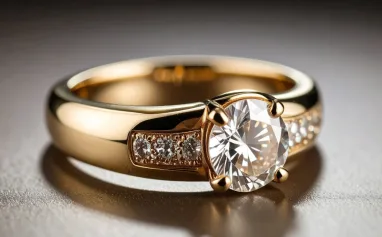
In the moissanite vs diamond price comparison, the gap is not subtle—it’s dramatic. While diamonds command high prices due to rarity and market structure, moissanite offers comparable beauty, superior sparkle, and lifetime durability at a fraction of the cost. If value, size, and long-term wear matter most, moissanite clearly delivers more for your money. To truly experience this blend of luxury and affordability, the First Love Series Ring offers a breathtaking design that showcases moissanite’s unmatched brilliance. For a full buying guide, see Moissanite vs Diamond Engagement Rings: Which One Should You Choose?.