Moissanite vs Lab Diamond: Which Is Better?
When choosing a gemstone for an engagement ring or fine jewelry, you may ask: “Should I pick moissanite or a lab diamond?” Both stones are lab-created, ethical, and brilliant, but they differ in composition, sparkle, durability, and price. This guide explores moissanite vs lab diamond so you can make an informed choice. For a broader comparison with natural diamonds, see Moissanite vs Diamond: Complete Comparison.
1. Composition and Origin
Moissanite is made of silicon carbide (SiC). It was first discovered in 1893 in a meteorite crater, and today, all moissanites are lab-created for consistent quality and ethical sourcing.
Lab Diamonds are pure carbon crystals grown in laboratories using high-pressure, high-temperature (HPHT) or chemical vapor deposition (CVD) methods. Lab diamonds have the same physical, chemical, and optical properties as natural diamonds but are conflict-free and environmentally friendly.
2. Brilliance and Sparkle
Both gemstones are dazzling, but their sparkle differs:
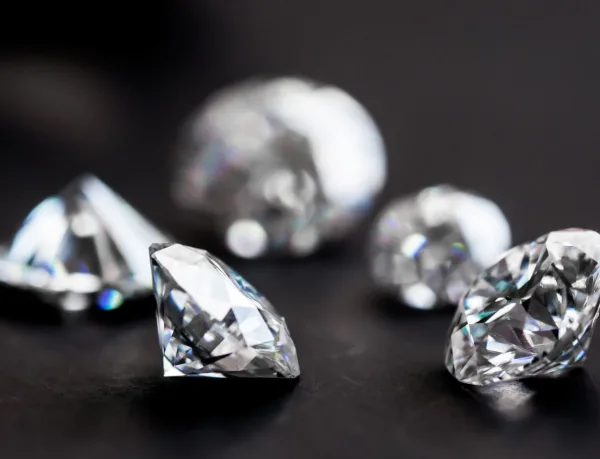
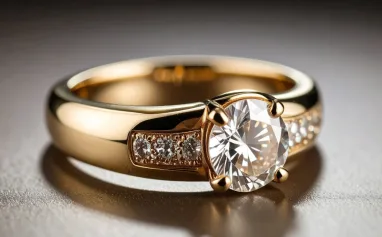
Moissanite: Refractive index 2.65–2.69, dispersion 0.104. Produces intense fire and vivid rainbow flashes, often appearing more sparkly than diamonds in bright light.
Lab Diamond: Refractive index 2.42, dispersion 0.044. Classic sparkle, with subtle, elegant fire similar to natural diamonds.
Key Difference: Moissanite often looks more fiery, while lab diamonds have a timeless, refined brilliance. For a direct visual comparison, see Moissanite vs Diamond Brilliance.
3. Hardness and Durability
Feature Comparison
| Feature | Lab Diamond | Moissanite |
|---|---|---|
| Mohs Hardness | 10 | 9.25 |
| Scratch Resistance | Highest | Very high |
| Chip Resistance | High | High |
| Daily Wear | Excellent | Excellent |
Lab diamonds are slightly harder than moissanite, but both are suitable for everyday wear and resistant to scratches and chips. For a detailed durability guide, see Moissanite vs Lab-Created Diamond Durability.
4. Color and Clarity
Lab Diamonds: Available in a wide range of color grades (D-Z) and clarity grades, often identical to natural diamonds. High-quality stones are nearly flawless.
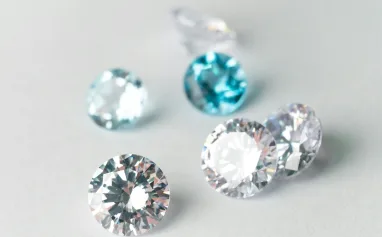
Moissanite: Typically colorless to near-colorless, with very few visible inclusions. May show slight warmth under certain lighting.
Moissanite can mimic a diamond’s appearance but tends to produce more rainbow fire due to higher dispersion. For realism comparison, see Does Moissanite Look Fake Compared to Diamond?.
5. Price Comparison
Price is a major factor:
Lab Diamond: Expensive, though usually 20–40% less than natural diamonds.
Moissanite: Significantly more affordable, often 70–90% less than lab diamonds of comparable size.
Moissanite is a popular choice for buyers seeking maximum sparkle at a lower cost. For detailed pricing info, see Lab Grown Diamond vs Moissanite Cost.
6. Ethical and Environmental Considerations
Both stones are ethically lab-created, avoiding mining impacts and conflict diamonds. They are excellent choices for environmentally conscious buyers.
7. Which One Should You Choose?
Choose Lab Diamonds if you want the closest experience to natural diamonds, long-term prestige, and a timeless classic look. For investment value, see Moissanite vs Lab Diamond Investment Value.
Choose Moissanite if you want more sparkle, lower cost, and a visually striking alternative. For proposal ring guidance, see Lab Diamond or Moissanite for Proposal.
Both stones are durable, beautiful, and sustainable, so your choice depends on budget, personal style, and desired brilliance. For engagement ring ideas, see Moissanite vs Diamond Engagement Rings.
Conclusion
In the debate of moissanite vs lab diamond, neither is “better” universally. Moissanite offers incredible fire and affordability, while lab diamonds provide the classic diamond look and prestige. Understanding the differences in sparkle, hardness, price, and appearance will help you select the gemstone that best suits your jewelry goals. For a side-by-side comparison with natural diamonds, see Moissanite vs Diamond Side by Side.
Add comment