
Moissanite vs Diamond Brilliance: Which Sparkles More?
When choosing an engagement ring or fine jewelry, one of the most important factors is brilliance—how much a gemstone sparkles in light. Many couples wonder how moissanite compares to diamonds in this regard. While both stones dazzle the eye, their optical properties differ, creating unique effects that may influence your choice.
In this guide, we’ll explore the brilliance, fire, and sparkle of moissanite versus diamonds, helping you make an informed decision for your engagement ring.
1. Understanding Brilliance and Fire
Before comparing stones, it’s important to define two key terms:
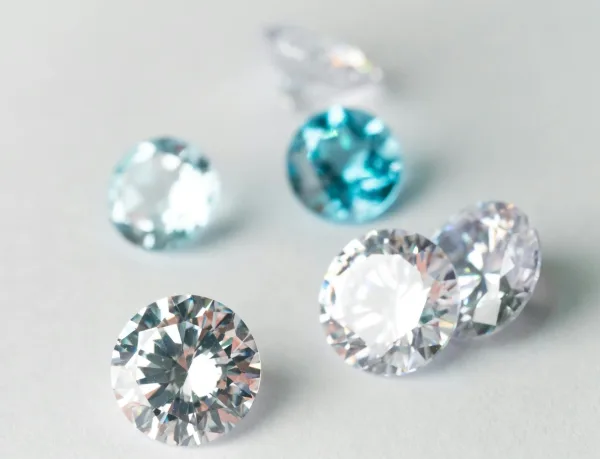
Brilliance: The white light reflected from the stone. It’s what makes diamonds and moissanite appear bright and lively.
Fire: The rainbow-colored flashes that occur when light disperses through the gemstone. Fire creates a “play of color” effect.
Both brilliance and fire contribute to the overall sparkle of a stone, but the balance between them differs between diamonds and moissanite.
2. Diamond Brilliance
Diamonds have been the standard for brilliance for centuries. Their unique combination of high refractive index (2.42) and carefully engineered cuts creates a clean, bright sparkle.
Key Features of Diamond Brilliance:
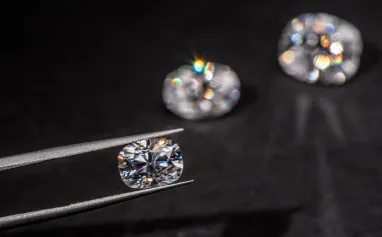
White sparkle: Diamonds reflect light sharply and create a “classic” sparkle.
Subtle fire: Diamonds produce minimal rainbow flashes, giving a refined and elegant look.
Durability: Mohs hardness of 10 ensures brilliance is maintained over decades without scratches.
Because of these properties, diamonds are often seen as the most timeless and elegant option for engagement rings. For broader comparisons, see moissanite vs diamond complete comparison.
3. Moissanite Brilliance
Moissanite has a higher refractive index (2.65–2.69) than diamonds, which makes it exceptionally sparkly and fiery. This gives moissanite a different visual impact:
Extra fire: Rainbow-colored flashes are more pronounced, creating a dazzling, eye-catching effect.
White brilliance: Moissanite still reflects plenty of white light, but the balance is slightly shifted toward rainbow fire.
Durability: With a Mohs hardness of 9.25, moissanite resists scratches and maintains sparkle for everyday wear.
Moissanite’s brilliance is often described as “more fiery” than diamonds, which appeals to those who love a glamorous and attention-grabbing look. Learn more in why choose moissanite over diamond.
4. Visual Differences Between Moissanite and Diamond
While moissanite and diamonds can appear similar at first glance, careful observation reveals subtle differences:
Moissanite: Extra rainbow flashes, slightly more “disco ball” effect, can appear larger due to optical properties.
Diamond: Classic, crisp sparkle with less visible fire, looks more understated and traditional.
In normal lighting, most people cannot distinguish moissanite from a diamond at a casual glance, especially when well-cut and set in jewelry. For a detailed visual comparison, see does moissanite look fake compared to diamond.
5. Cut Matters More Than Stone
Regardless of whether you choose moissanite or diamond, the cut quality is the single most important factor for brilliance.
Well-cut stones: Reflect maximum light, appear more sparkling, and enhance perceived size.
Poor-cut stones: Appear dull, even if the stone is large or high-quality.
For moissanite, modern precision cuts maximize its natural fire, while diamonds benefit from traditional cuts like round brilliant, princess, or cushion to optimize sparkle. See moissanite vs diamond side-by-side for a clear comparison.
6. Choosing Between Moissanite and Diamond Based on Sparkle
Your decision may depend on the type of sparkle you prefer:
Love Classic Elegance: Choose diamonds for refined brilliance and subtle fire.
Love Eye-Catching Drama: Choose moissanite for intense fire and dazzling rainbow flashes.
Budget-Friendly Brilliance: Moissanite offers a larger stone and more fire at a fraction of the cost of diamonds.
Ethically Minded Choice: Both lab-grown diamonds and moissanite are ethical and environmentally friendly, but moissanite is almost always lab-created.
Both stones offer stunning brilliance, but the visual effect and style differ. For cost vs value, see cost of moissanite vs diamond.
7. Durability and Daily Wear
Both diamonds and moissanite are suitable for engagement rings and everyday jewelry:
Diamonds: Hardest natural material, virtually scratch-proof, maintaining brilliance for decades.
Moissanite: Very durable, slight risk of surface scratches over many years, but retains sparkle with proper care.
Regular cleaning and careful settings help both stones maintain maximum brilliance. Learn more in moissanite vs lab-created diamond durability.
8. Budget Considerations
Moissanite’s affordability allows for:
Larger stones at a fraction of the price of diamonds
Elaborate or custom settings without breaking the budget
Flexibility for additional jewelry or wedding expenses
For couples seeking maximum sparkle without spending a fortune, moissanite can provide more “wow” factor per dollar. For a side-by-side cost comparison, see moissanite ring vs diamond ring cost.
9. Final Thoughts
When comparing moissanite vs diamond brilliance, both stones offer stunning sparkle, but in different ways. Diamonds provide timeless, understated brilliance, while moissanite delivers extra fire and eye-catching sparkle.
The right choice depends on personal style, budget, and preference for subtle or dramatic sparkle. Either way, both moissanite and diamonds can create an unforgettable engagement ring that reflects your love and commitment. For more engagement ring guidance, explore moissanite vs diamond engagement rings.
Add comment