Lab Diamond or Moissanite for Proposal: Choosing the Perfect Sparkle
Choosing an engagement ring is a deeply personal decision, and one of the most common dilemmas for modern couples is deciding between a lab-grown diamond and moissanite. Both options offer stunning brilliance, ethical sourcing, and affordability compared to traditional mined diamonds. However, the choice ultimately comes down to your priorities: sparkle, durability, budget, and personal preference.
This guide will help you understand the key differences, benefits, and considerations of lab-grown diamonds and moissanite, so you can confidently choose the perfect ring for your proposal.
1. Understanding Lab-Grown Diamonds
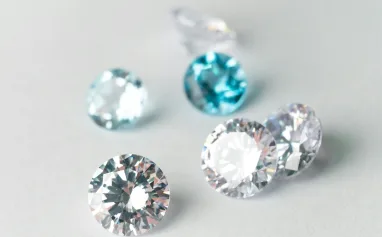
Lab-grown diamonds are created in a laboratory using advanced technological processes that replicate the natural conditions under which diamonds form. Chemically, physically, and visually, they are identical to mined diamonds.
Key Benefits of Lab-Grown Diamonds:
Ethical and Sustainable: No mining impact; reduces environmental and social concerns.
Cost-Effective: Typically 30–50% less expensive than comparable natural diamonds.
High Quality: Can offer larger carat sizes or better color and clarity within the same budget.
Certified Authenticity: Reputable sellers provide GIA, IGI, or GCAL certificates.
Lab-grown diamonds are ideal if you want the classic diamond look with a modern, ethical twist. For cost comparison, see lab-grown diamond vs moissanite cost.
2. Understanding Moissanite
Moissanite is a naturally occurring mineral, though nearly all commercial moissanite is lab-created. It is known for its exceptional brilliance and fire—often outshining diamonds in sparkle.
Key Benefits of Moissanite:
Affordable: Costs significantly less than natural or lab-grown diamonds, allowing for larger stones.
Highly Durable: 9.25 on the Mohs scale, making it suitable for everyday wear.
Extra Sparkle: Refractive index higher than diamonds, giving it more rainbow-like fire.
Ethically Sourced: Lab-created moissanite avoids mining controversies.
Moissanite is perfect for couples who want maximum sparkle and style on a budget. Learn more about moissanite’s advantages in why choose moissanite over diamond.
3. Comparing Appearance
While lab diamonds and moissanite are both clear and sparkly, there are subtle differences:
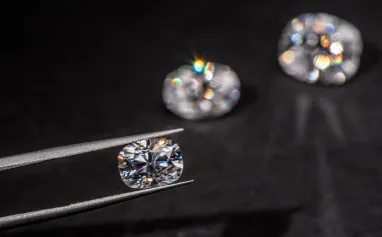
Brilliance: Moissanite tends to have more rainbow flashes, making it appear more “fiery” under light. Lab-grown diamonds reflect light in a more classic diamond sparkle. See moissanite vs diamond brilliance for detailed comparison.
Color: Lab diamonds come in traditional diamond grades (D-Z). Moissanite often has a slight yellow or green tint in larger stones, though modern cuts minimize this.
Size Perception: Moissanite appears larger than diamonds of the same carat due to its high brilliance. For visual side-by-side differences, check does moissanite look fake compared to diamond.
Choosing between them often comes down to whether you prefer a classic sparkle (lab diamond) or eye-catching fire (moissanite).
4. Durability and Everyday Wear
Both stones are extremely durable, but there are differences to note:
Lab-Grown Diamonds: 10 on the Mohs scale—virtually scratch-resistant and suitable for daily wear.
Moissanite: 9.25 on the Mohs scale—slightly softer than diamonds but still very durable.
For engagement rings worn daily, both options are excellent, but if ultimate hardness is your priority, lab-grown diamonds have a slight edge. Learn more in moissanite vs lab-created diamond durability.
5. Budget Considerations
Budget is often the decisive factor:
Lab-Grown Diamonds: Larger or higher-quality diamonds are possible at a lower cost than mined diamonds, but still pricier than moissanite.
Moissanite: Offers significantly larger stones for the same price, making it ideal for couples who want a statement piece under budget constraints.
For example, a 1-carat lab-grown diamond may cost around $3,000, while a 1-carat moissanite could be under $1,000—allowing flexibility in design, setting, or even other wedding expenses. Check moissanite vs lab diamond which is better for full comparison.
6. Ethical and Environmental Considerations
Lab-Grown Diamonds: Produced in a controlled environment, reducing environmental damage and eliminating conflict concerns.
Moissanite: Almost entirely lab-created, also ethical and eco-friendly.
Couples who prioritize sustainability and ethical sourcing can feel confident choosing either option. For broader ethical comparisons, see moissanite vs natural diamond key differences.
7. Popular Settings for Lab Diamonds and Moissanite
Both stones work beautifully in a variety of engagement ring settings:
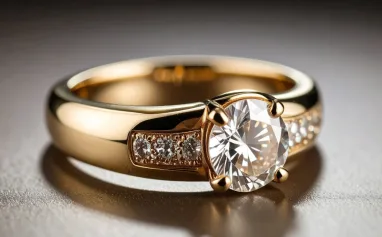
Solitaire: Timeless, focusing on the stone itself.
Halo: Accentuates the stone’s size and sparkle, especially effective for smaller diamonds or moissanite stones.
Three-Stone: Symbolizes past, present, and future; elegant and meaningful.
Vintage-Inspired: Intricate filigree or engraving adds uniqueness without depending on stone size.
The choice of setting can enhance either stone, allowing you to maximize visual impact while staying within budget. For cost vs visual impact, see moissanite vs diamond for everyday wear.
8. Making the Right Choice
When deciding between lab-grown diamonds and moissanite, consider these factors:
| Factor | Lab-Grown Diamond | Moissanite |
|---|---|---|
| Brilliance | Classic diamond sparkle | More rainbow-like fire |
| Durability | 10/10 Mohs scale | 9.25/10 Mohs scale |
| Price | Higher | Lower, can get bigger stone |
| Ethics | Ethical & sustainable | Lab-created, eco-friendly |
| Traditional Appeal | Matches natural diamond | Slightly less traditional |
| Size Appearance | True carat | Appears slightly larger due to brilliance |
Ultimately, the right choice depends on what matters most: traditional diamond look, ultimate size, sparkle, or budget flexibility. Both stones can create a stunning, meaningful engagement ring that will be cherished for a lifetime. For deeper cost comparison, see moissanite ring vs diamond ring cost.
9. Final Thoughts
Whether you choose a lab-grown diamond or moissanite, the most important factor is the thought and love behind the ring. Both options are ethical, beautiful, and durable, allowing couples to prioritize what truly matters—your connection and commitment.
Remember, your engagement ring is not just a piece of jewelry—it’s a symbol of a lifelong promise. Choosing the right stone ensures that your ring will shine as brightly as your love. For additional comparison options, explore moissanite vs diamond engagement rings.
Add comment